
National Parks from San Francisco: Your Complete 2025 RV Adventure Guide
TL;DR: Best National Parks for RV Travel from San Francisco
Planning an epic RV adventure from San Francisco? You’re perfectly positioned to explore some of the most iconic and diverse national parks in the U.S. Pinnacles (2 hrs) offers full hookups and even a pool—perfect for hassle-free camping. Yosemite (4-5.5 hrs) requires day-use reservations in 2025 but rewards you with unforgettable views. Sequoia & Kings Canyon (4-5.5 hrs) let you sleep beneath giant trees, while Redwood (5-6 hrs) and Death Valley (7-8 hrs) deliver dramatic contrasts from lush forests to desert extremes. The secret to success? Book early, have a backup plan, and expect crowds, it’s all part of the adventure.
What are the closest national parks from San Francisco?
San Francisco is the perfect launch pad to some of California’s most spectacular landscapes, and they’re closer than you think.
Pinnacles National Park sits just 2 hours southeast, making it your closest national park adventure. You’ll trade the Bay Area’s fog for golden hills dotted with ancient volcanic spires formed over 23 million years ago. With its towering rock formations, deep caves and spring wildflowers, Pinnacles provides a dramatic backdrop for hiking, rock climbing and birdwatching—particularly for the endangered California condors that soar above.
Yosemite and Sequoia & Kings Canyon, both clock in at around 4 – 5.5 hours. That’s the perfect distance for a long weekend escape or the start of an epic California road trip. You’ll cover 262 miles through some of the most scenic driving in the Golden State. Known for their waterfalls, valleys, meadows and giant sequoias, these parks are perfect for nature lovers and hiking enthusiasts.
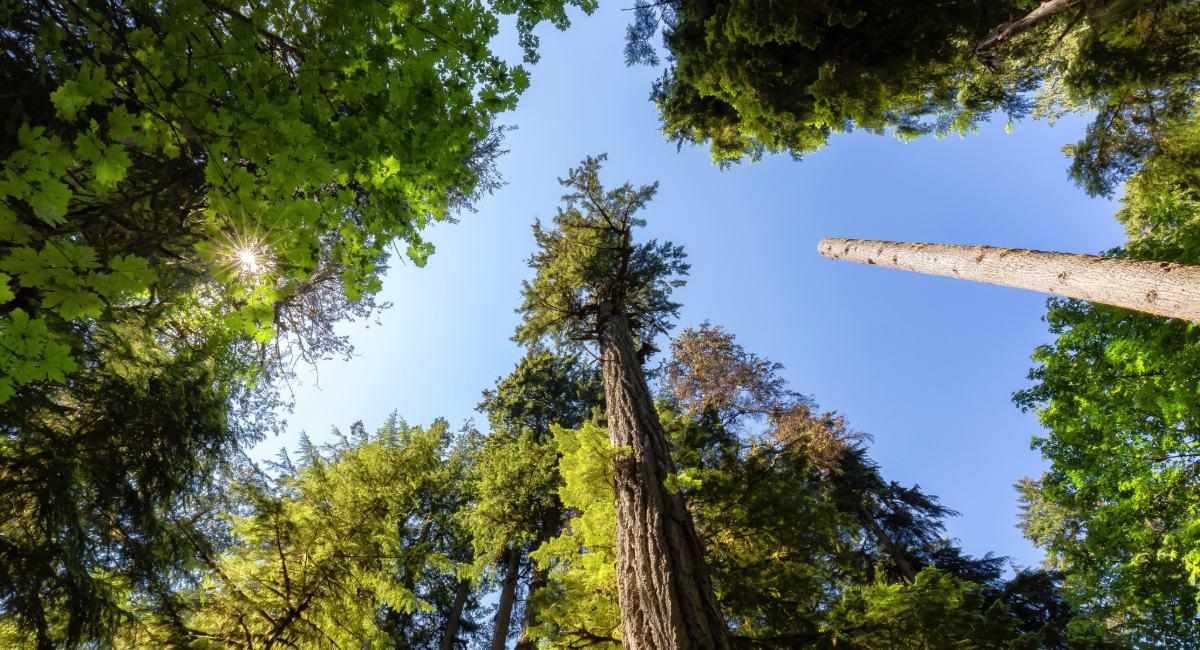
Redwood National Park (5-6 hours) and Death Valley (7-8 hours) require a bit more commitment but offer completely different experiences, from coastal giants to desert extremes. At Redwood, you’ll walk beneath towering coastal giants in a misty, prehistoric landscape where elk roam and fog drapes the forest canopy. Death Valley, by contrast, plunges you into a vast desert of salt flats, colorful canyons, and star-studded skies. From the planet’s tallest trees to its hottest terrain, these parks offer a striking side-by-side of California’s wild beauty.
Driving Distances from San Francisco:
- Pinnacles National Park: 100 miles (2 hours)—perfect for weekend warriors
- Yosemite National Park: 262 miles (4-5.5 hours)—iconic for good reason
- Sequoia & Kings Canyon: 262 miles (4-5.5 hours)—where giants still roam
- Redwood National Park: 312 (5-6 hours) — lush forests and coastal serenity
- Death Valley: 460 miles (7-8 hours) — otherworldly landscapes worth the haul
Author Bio:
What are the 2025 reservation requirements for national parks near San Francisco?
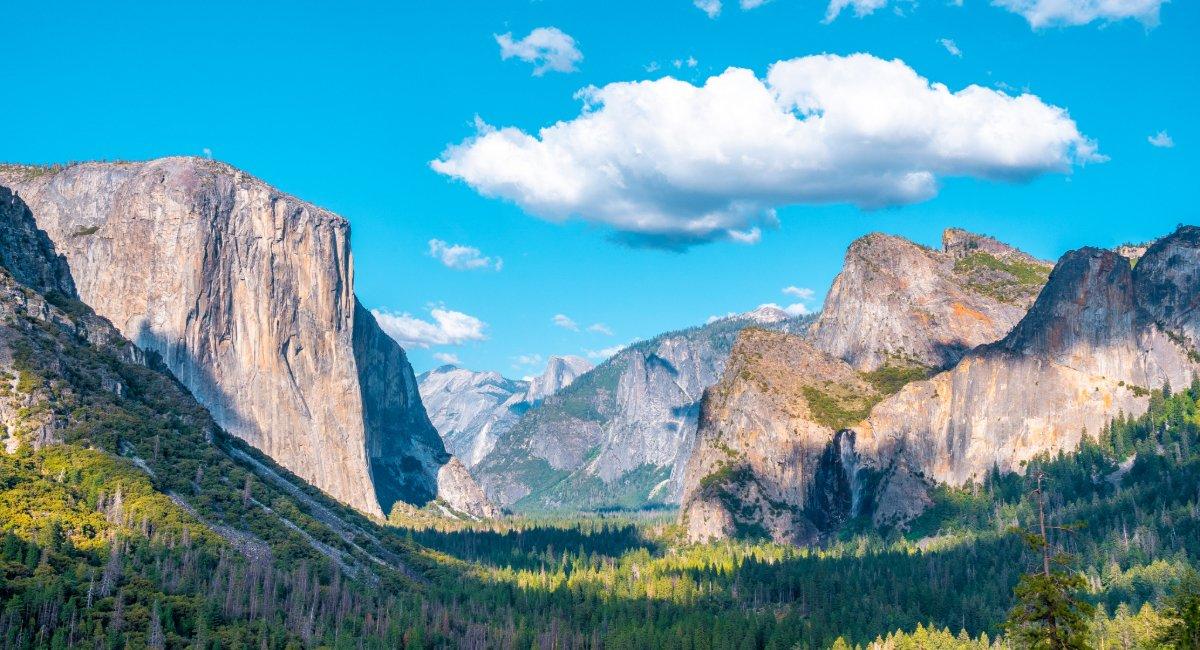
Let’s talk about the elephant in the room: Yosemite’s new timed entry system. Yes, it adds a planning step, but it also means you’ll actually find parking and enjoy the park without the bumper-to-bumper traffic that plagued recent summers.
Yosemite National Park 2025 Requirements:
You’ll need a reservation to enter between 6am and 2pm during these periods:
- June 15 – August 15: Every single day (weekends included)
- May 24-26 & August 30 – September 1: Weekends and Mondays only
Reservation Details:
- Cost: Just $2 (plus the standard $35 park fee)
- When to book: Exactly 7 days before at 8am Pacific (set those alarms!)
- Duration: Good for 3 consecutive days
- Golden window: Arrive before 6am or after 2pm? No reservation needed.
Camping in 2025: The Reality
After several months of uncertainty and delays, Yosemite National Park has now begun accepting reservations for summer camping in several of the park’s most popular campgrounds. However, staffing challenges have created a mixed bag of availability.
What’s open: Upper Pines, Wawona, and Hodgdon Meadow are taking reservations for July 15-August 14.
What’s limited: North Pines uses an early access lottery system.
Pro tip: Campsites in Yosemite are extremely popular and typically sell out in minutes, seriously, have your Recreation.gov account ready and payment method saved.
What are the best RV campgrounds near each national park?
You’ve got options, and each park offers a completely different RV adventure. The National Park Service provides excellent guidance on finding the right campground for your needs, and choosing the right RV size makes all the difference. Every destination offers something special, whether you’re after swimming pools, ancient trees, or dramatic coastlines.
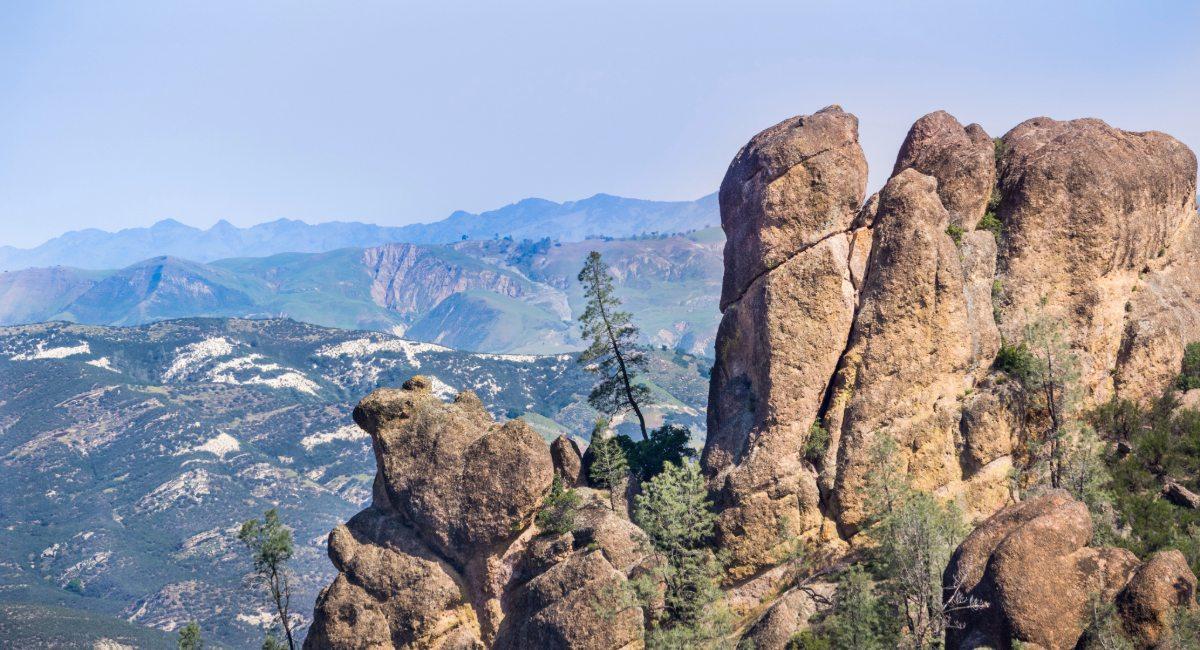
Pinnacles National Park: Where Comfort Meets Adventure
Pinnacles Campground (Inside the Park) is located on the eastern side of the park and is open year-round with 134 campsites situated along a seasonal creek and among large Oak trees. It offers family and group tent sites, as well as RV sites with electric hookups. This place gets RV life right, and it’s perfect whether you’re new to RVing or considering upgrading to a spacious Class A motorhome for ultimate comfort:
- 36 RV sites with 30-amp hookups (no length restrictions we’ve found)
- The famous swimming pool (April-September)—you’ll understand the hype when it’s 95°F outside
- Full amenities: Hot showers, flushable toilets, WiFi, and a well-stocked camp store with basic foods and camping supplies
- Wildlife central: California Condors regularly soar overhead—you can watch them right from your campsite
Yosemite National Park: Rugged but Rewarding
There are no electric, water or sewer hook-ups available at individual campsites. A free dump station is located on-site along with potable water. Think of it as “RV dry camping” among some of America’s most iconic scenery:
Inside the Park Options:
- Upper Pines: Valley floor location, largest of the three reservation campgrounds in Yosemite Valley
- Wawona: Lower elevation means longer season and warmer temps
- Hodgdon Meadow: Your year-round backup plan
- Length limits: Most accommodate up to 40 feet
- Reality check: Book exactly 5 months ahead at 7am PT (this isn’t casual trip planning territory)
Smart Alternatives: When park camping isn’t available, private resorts near Groveland and Mariposa offer full hookups and often better amenities, sometimes that’s exactly what you need after a day of hiking.
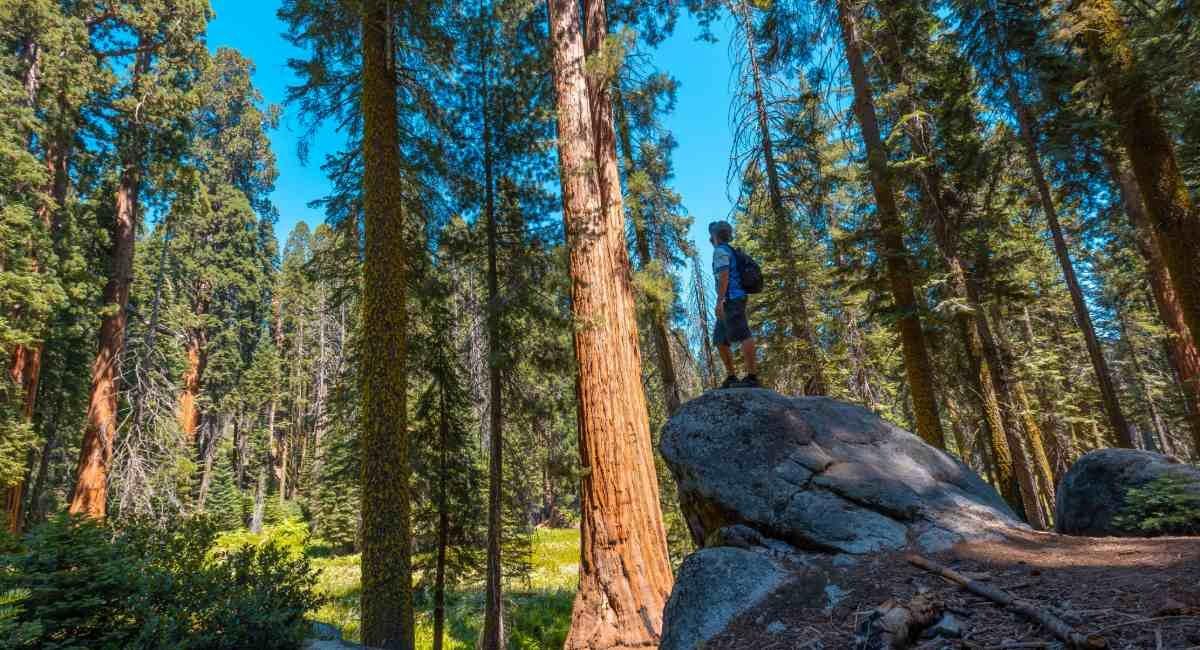
Sequoia & Kings Canyon National Parks: Among the Giants
Lodgepole Campground is very popular with tent and RV campers alike, located 45 minutes from Sequoia & Kings National Parks and just 7 miles from the famous Giant Forest:
- 214 sites with paved roads, flush toilets, and drinking water
- Prime location: Walking distance to General Sherman Tree
- Services nearby: Lodgepole Village is a quick 1/4-mile away, offering a Visitor Center, market and gift shop, and coin-operated showers and laundry facilities
- Trail access: Multiple hiking options right from camp
Azalea Campground: Maximum RV/Trailer length is 47 feet / 30 feet, with year-round access
Seasonal note: Dorst Creek Campground is closed for the 2025 season due to recovery from past winter storm damage
Redwood National Park – Towering Giants & Coastal Magic
The tallest trees on Earth create a cathedral-like experience, but most camping happens in nearby state parks and private campgrounds:
Mill Creek Campground: Located within Del Norte Coast Redwoods State Park with over 145 campsites (no hookups, but surrounded by towering redwoods)
Redwood Meadows RV Resort: An excellent choice for families and campers who want a balance of convenience and outdoor adventure, located just minutes from the Humboldt Lagoons and Prairie Creek Redwoods State Park:
- Full amenities: Hookups, Wi-Fi, club room with cable TV
- Dual access: Close to both ancient forest and Pacific coastline
- Scenic setting: Surrounded by majestic trees despite modern conveniences
Best for: Those seeking the ultimate old-growth forest experience with coastal access
Death Valley National Park – Desert Extremes
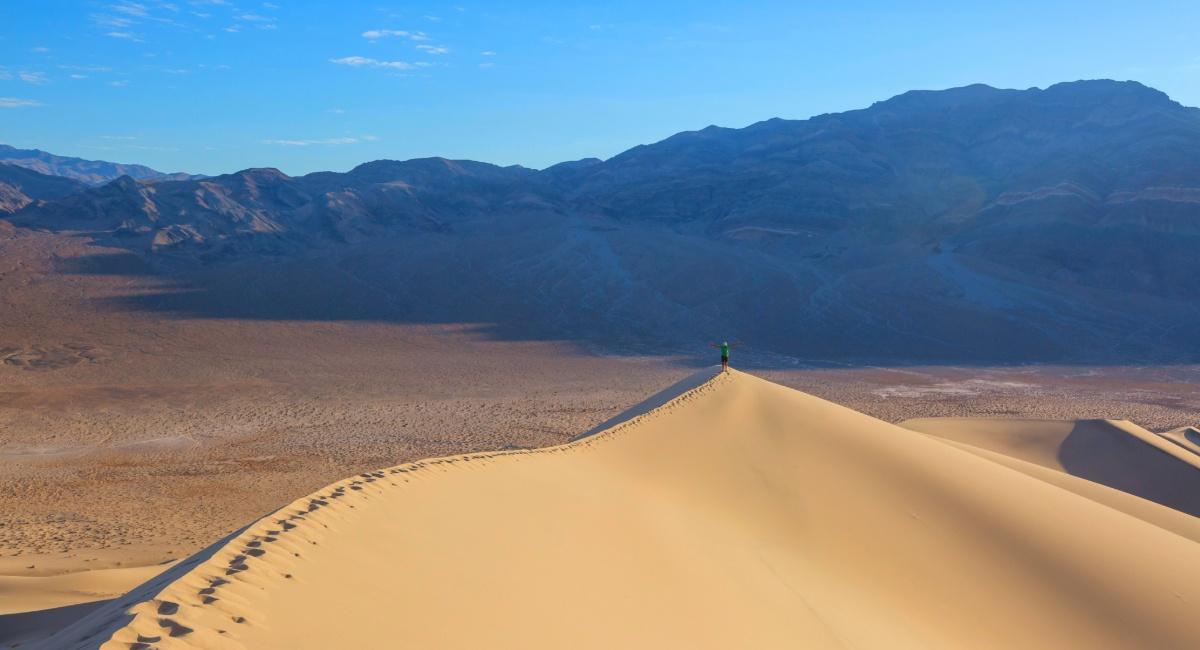
The largest national park in the lower 48 offers surprising RV accessibility:
Furnace Creek Campground: The only campground within the park that accepts reservations:
- 18 sites with electric hookups (30/50 amp)
- Prime location: 196 feet below sea level (bragging rights included)
- Booking window: Reservations accepted October 15-April 15, first-come-first-served other times
- Big rig friendly: Maximum RV length is 100 feet
- Reality check: Books up instantly when reservations open
Stovepipe Wells: 14 full hookup sites, maximum 40-foot RVs, general store and swimming pool
It’s important to note that several roads have 25-foot length limits due to their sharp curves. To avoid summer’s extreme heat, Death Valley is best suited for winter RV travel.
What’s the best time to visit these national parks with an RV?
Timing is everything, and we’re about to save you from some seriously uncomfortable mistakes (like showing up at Pinnacles in August when it’s hitting 105°F).
The Sweet Spots by Season:
Pinnacles National Park
- Golden months: October through April
- Why: Summer temperatures can exceed 100°F (your RV’s AC will be working overtime)
- Winter magic: Mild days, cool nights, and zero crowds
Yosemite National Park
- Peak reality: June-September means reservations, crowds, and premium everything
- Our pick: Late April through May, or September into October
- Winter secret: Camp 4, Hodgdon Meadow, and Wawona switch from reservation booking systems to a first-come, first-serve system in winter
Sequoia & Kings Canyon
- RV season: May through October (when mountain roads stay open)
- Summer advantage: All facilities operational, but book months ahead
- Fall magic: Crisp air, golden aspens, and manageable crowds
Redwood National Park:
- Best months: July-August (only 1 day of rain each month)
- Why: Year-round appeal with mild coastal climate
- Rainy Season Bonus: The rainy season creates the magical lush greenery
Death Valley National Park:
- Prime season: October-April (winter is perfect)
- Why: Avoid summer when temperatures exceed 120°F
- Winter Perks: Winter offers perfect temperatures and clear skies for stargazing
How do I book RV campsites at these national parks for 2025?
Let’s be real: scoring these campsites requires strategy, caffeine, and sometimes a little luck. AAA’s RV travel resources offer excellent trip planning tools for RV travelers, and here’s how to stack the odds in your favor for these specific parks.
The Booking Battle:
Yosemite (Hardest to Book): Login to your account or create a new account before the 7:00 a.m. (PST) release time. You may only add reservations to your cart and proceed with your reservation if you are logged into your account.
- The drill: 5 months ahead, 15th of each month, 7am PT sharp
- Success tips: Multiple devices, payment saved, backup dates ready
- Winter alternative: Three campgrounds go first-come, first-served November through April
Pinnacles (Most Forgiving): Individual tent and RV sites can be booked up to 6 months in advance.
- Breathing room: 6 months ahead via Recreation.gov
- Group advantage: Group Sites can be booked up to 12 months in advance
- Year-round: Always an option, making trip planning flexible
Sequoia & Kings Canyon: Campsites: There are 14 campgrounds between both parks, many of which allow for reservations up to 4 months in advance.
- Window: 4-5 months out
- Strategy: Lodgepole books fastest; consider Azalea for year-round backup
Redwood National Park (Moderate Difficulty): Most RV camping happens in nearby state parks and private campgrounds:
- State park campgrounds: Many first-come, first-served (Mill Creek, Jedediah Smith)
- Private resorts: Redwood Meadows RV Resort and others take advance reservations
- Advantage: More flexibility than national park campgrounds
Death Valley National Park (Seasonal Reservations): Furnace Creek Campground accepts reservations October 15-April 15:
- Reservation season: 6 months ahead for winter camping
- Summer: All campgrounds first-come, first-served (but avoid the extreme heat)
- Strategy: Book winter dates early; summer RV camping not recommended due to temperatures exceeding 120°F
Your Action Plan:
- Set up Recreation.gov accounts now—not at 6:59am on booking day
- Flexible dates win—have 3-4 options ready
- Monitor cancellations—people’s plans change closer to trips
- Consider private campgrounds—they’re often gems in their own right
Bonus: Point Reyes National Seashore – Perfect for Shorter Getaways
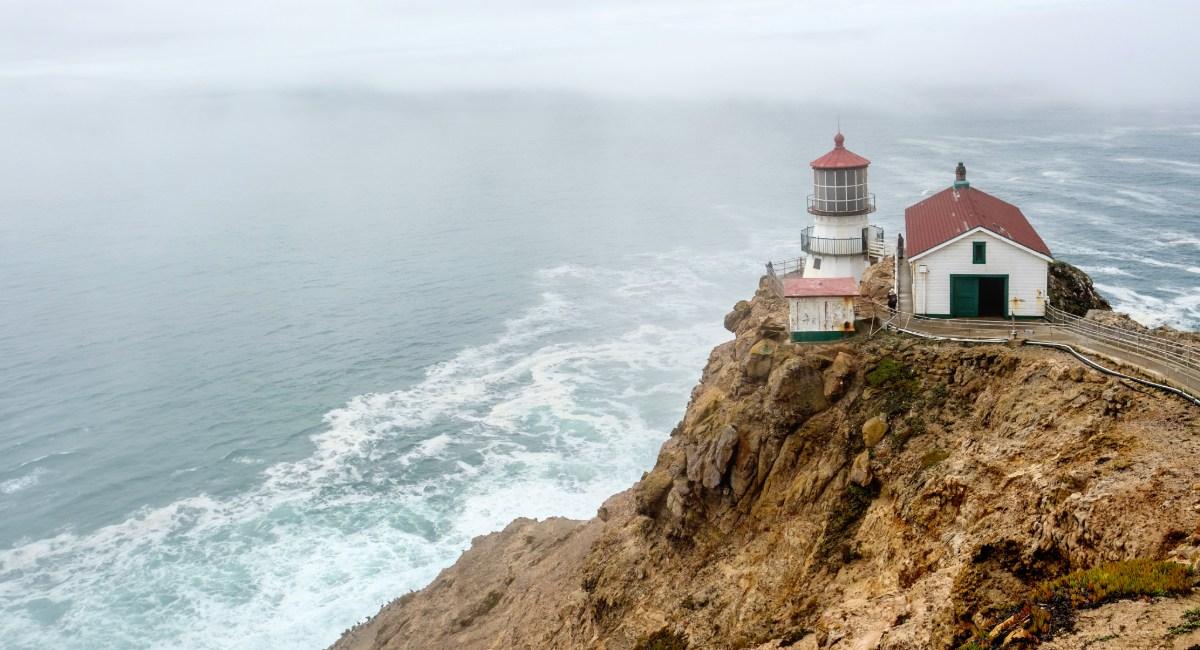
Looking to stay closer to San Francisco without sacrificing natural beauty? Point Reyes National Seashore, just 1 hour north, offers the perfect solution for those seeking coastal drama without the long drive.
While there is NO car or RV camping at Point Reyes National Seashore itself, that doesn’t mean you’re out of luck. The park’s gateway communities offer fantastic private campgrounds that put you minutes from lighthouse-topped cliffs and elephant seal colonies.
Olema Campground has been family-owned since 1969, providing couples and families a space to relax with full RV hookups right at the park’s doorstep. With perfect positioning just minutes from lighthouses, beaches, and hiking trails, plus full services and hookups for serious comfort, the owners know every secret spot worth visiting.
Samuel P. Taylor State Park offers limited RV spots but compensates with a gorgeous redwood setting that gives you a taste of Northern California’s forest giants without the 5.5-hour drive to the main Redwood National Park.
Why Point Reyes works for RV travelers:
- 60 miles (1 hour) from San Francisco—ideal for coastal cravings
- Perfect for: Weekend warriors, first-time RV families, or anyone wanting national park beauty without major time commitment
- Unique combo: Dramatic coastline, historic lighthouses, and nearby redwood groves
- Practical advantage: Easy to add onto other Bay Area adventures
Start Planning Your RV Adventure Today
There’s something magical about waking up in your RV with Yosemite’s granite walls catching the first light, or falling asleep to the sound of wind through ancient sequoias. These parks offer the kind of experiences that remind you why RV travel beats hotel rooms every time, you’re not just visiting these places, you’re living in them, even if it’s just for a few days.
Each destination brings its own rewards: Pinnacles’ year-round accessibility and surprising swimming pool, Yosemite’s soul-stirring granite cathedrals (worth every reservation hassle), Death Valley’s otherworldly landscapes, and Redwood / Sequoia’s humbling giants. Yes, the booking competition is real, and yes, you’ll need to plan ahead more than you might prefer. But trust us, standing beneath El Capitan or walking among trees that were ancient when Rome was young makes every planning hurdle worthwhile.
The secret to success? Start with solid information (you’re already here), book early, have backup plans, and remember that sometimes the best adventures come from the campgrounds you discover when your first choice fills up. If you’re still deciding what type of RV works best for your national parks adventure, our RV Finder tool can help match you with the perfect vehicle for your group size and comfort preferences.
Ready to turn these plans into memories? Find the perfect RV and start planning your trip today.
Frequently Asked Questions
Do I need special permits for RV travel to these parks?
Your regular driver’s license gets you everywhere you need to go. However, Yosemite’s new 2025 system means you’ll need those peak-hours reservations for summer visits between 6am-2pm. Wilderness permits are only for backcountry hiking, not something you’ll need for RV camping.
What’s the maximum RV length allowed in these parks?
It’s all over the map, literally. Pinnacles doesn’t publish restrictions, Yosemite Valley campgrounds max out around 40 feet, and Azalea Campground in Sequoia handles rigs up to 47 feet. Always double-check your specific campground when booking, nobody wants to arrive and discover they don’t fit.
Can I bring my pets to national parks in an RV?
Absolutely, but know the rules going in. Pets: allowed on leash in the campground but not on hiking trails. NEVER leave them unattended. Your furry family members can enjoy camp life but won’t be joining you on those Instagram-worthy trail adventures.
Are generators allowed in national park campgrounds?
This varies significantly. Generators are not allowed at any time in any site at Pinnacles, while other parks have specific quiet hours. The general rule: expect restrictions and plan accordingly with good battery setups or hookup sites.
What should I pack for RV camping at these parks?
Beyond the usual RV essentials, think about bear country (secure food storage), variable mountain weather (layers for everything), and limited cell service (download offline maps). Each park has unique challenges. Death Valley and Pinnacles can get seriously hot, Yosemite requires bear boxes, and Sequoia means preparing for sudden weather changes.
